
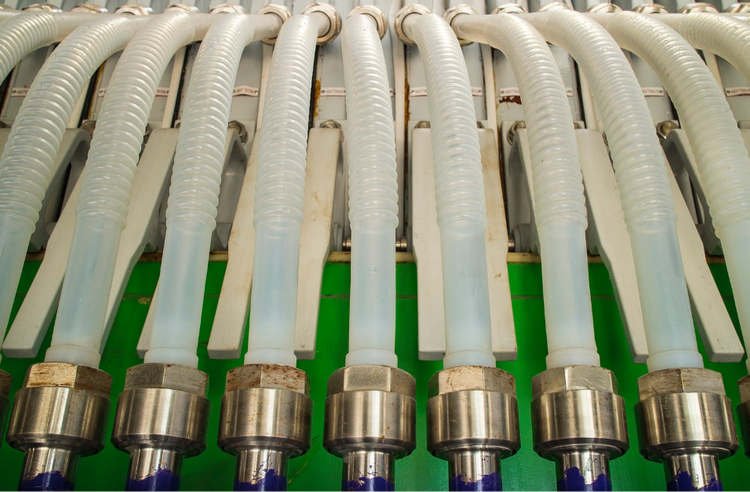
When it comes to high-temperature applications, especially in demanding industrial environments, choosing the right furnace coolant hose isn’t just about getting something that fits it’s about getting a hose that lasts, performs, and keeps your operation safe. Whether you’re working with industrial furnaces, metal processing, or large-scale heating systems, your coolant hose needs to withstand extreme conditions without cracking under the pressure literally!
Let’s walk through what you need to know to make the right choice and keep your coolant systems running smoothly.
Why Your Furnace Coolant Hose Matters
In any industrial coolant system, hoses carry coolant fluid to regulate temperatures around furnace components. If that hose can’t handle the heat, pressure, or chemical exposure, you’re looking at major downtime or worse, a safety hazard.
A failure in this small part can mean big consequences: overheating equipment, production delays, costly repairs, and even workplace injuries. That’s why selecting the right heat-resistant hose materials and fittings is crucial.
1. Material Selection: What’s It Made Of?
Start with what the hose is made of. Your hose needs to resist both high heat and chemical breakdown from the coolant itself. Common high-temperature hose materials include:
- Silicone: Flexible, highly heat resistant, and great for moderate pressure. Perfect for many coolant systems.
- EPDM (Ethylene Propylene Diene Monomer): Great for heat and chemical resistance often used in automotive and industrial settings.
- Viton® or Fluoroelastomers: High-end materials built to withstand extreme heat and aggressive chemicals, making them ideal for heavy-duty industrial systems.
- Stainless Steel Braided Hoses: These combine internal rubber or synthetic tubing with a metal mesh outer layer for added strength and pressure resistance.
Matching the hose material to your application ensures it will last longer and work better.
2. Check the Pressure Rating
Not all hoses are created equal when it comes to pressure. Your system might operate at relatively low pressure or it might need a hose that can handle serious force. Always check the pressure-rated hose specifications to make sure you’re not underestimating your system’s requirements.
Underrated hoses can swell, burst, or wear out prematurely. Overspending on an over-spec hose might offer safety, but could also be unnecessary. Balance is key.
3. Compatibility with Your Coolant System
It’s not just about the temperature or pressure your hose also needs to be compatible with the coolant type and the fittings or connections in your system. Make sure the hose inner lining won’t degrade over time due to chemical reactions.
Also, check that the hose ends or connectors fit securely into your system to avoid leaks, loosening, or flow issues. A good fit is just as important as good material.
4. Flexibility and Installation
Industrial settings often require hoses to snake through tight spaces or bend around equipment. A hose that’s too rigid will be difficult to install or worse, it may kink and restrict flow. Look for flexible, high-temperature hoses that maintain their shape without sacrificing durability.
5. Safety and Standards Compliance
Always look for hoses that meet relevant industry standards for safety, such as ISO or SAE certifications. This ensures the hose has been tested for performance under the conditions it’s rated for an extra layer of confidence that matters in harsh environments.
At L-Flex, we understand that the right furnace coolant hose can make or break your operation. That’s why we supply high-quality, pressure-rated hoses made from the most reliable heat-resistant materials, engineered to withstand even the most demanding environments.
We don’t just sell hoses we help you find the perfect match for your industrial coolant system. Whether you need flexible hose assemblies, guidance on hose compatibility, or support with installation, our team is here to assist.
Explore our range of top-tier industrial hose solutions at L-Flex and get expert advice that helps your operation run safely, smoothly, and efficiently every time.