
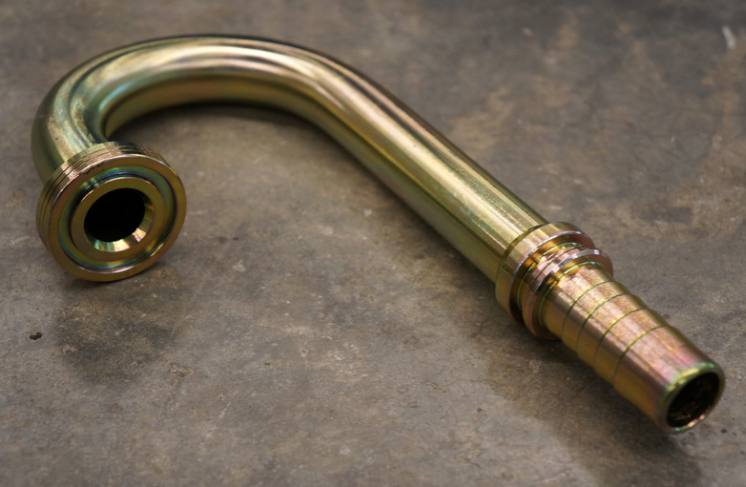
When it comes to industrial applications, selecting the right hose flanges and fittings can feel like trying to find a needle in a haystack. With so many options available, it’s easy to feel overwhelmed! But don’t worry—we’re here to help you navigate through the process, ensuring you find the perfect fit for your needs.
Whether you’re working on a new project or upgrading existing equipment, this article will break down the essentials of hose flanges and fittings.
Understanding Hose Flanges and Fittings
First off, let’s clarify what we mean by hose flanges and fittings. Hose flanges are flat pieces that allow you to connect hoses securely to equipment or other hoses. They provide a robust and leak-proof joint, making them a popular choice in many industrial settings. Fittings, on the other hand, are connectors that join hoses to other components in a system, like valves or pumps. Both are crucial for ensuring fluid and gas transfer is efficient and reliable.
Compatibility is Key
One of the first things to consider when selecting hose flanges and fittings is compatibility. You want to ensure that the components you choose work well together. Check the following:
- Size: Make sure the flanges and fittings match the diameter of your hoses. If they’re too big or too small, you’ll run into leaks and potential safety hazards.
- Material: Consider the materials of both the hoses and the fittings. Common options include stainless steel, PVC, and rubber. Each material has its own strengths and weaknesses, so choose based on the fluids you’ll be transferring and the environment they’ll be in (think temperature and pressure).
Types of Flanges and Fittings
Next, familiarise yourself with the different types of flanges and fittings available. Some popular options include:
- Weld Neck Flanges: Great for high-pressure applications, these flanges are welded directly to the pipe, providing strong support.
- Slip-On Flanges: Easier to install than weld necks, these flanges slip over the pipe and are bolted into place, making them perfect for lower-pressure applications.
- Hydraulic Fittings: These are designed specifically for hydraulic systems and come in various configurations to accommodate different hose sizes and pressures.
Knowing which types are available can help you choose the best option for your specific application.
Installation Tips
Once you’ve selected the right flanges and fittings, it’s time for installation! Here are some handy tips to make the process smoother:
- Clean Surfaces: Before installation, ensure all surfaces are clean and free of debris. This helps create a secure connection and prevents leaks.
- Use Gaskets: Consider using gaskets between flanges to provide an additional layer of sealing. This is especially important for high-pressure systems.
- Tighten Evenly: When securing fittings and flanges, tighten the bolts evenly to avoid warping the components. A good rule of thumb is to start from the center and work your way out.
Don’t Forget About Maintenance
Lastly, don’t overlook the importance of regular maintenance! Periodically check your hose connections for any signs of wear or leaks. Keeping everything in good condition will extend the lifespan of your flanges and fittings and ensure your system operates smoothly.
L-Flex is a trusted provider of customized rubber hose solutions, serving diverse industries with products tailored to meet specific requirements. Known for precision and quality, L-Flex delivers hoses crafted to match exact client specifications, ensuring performance and reliability across various applications. Alongside their high-quality hoses, L-Flex also supplies a full range of hose flanges and fittings, offering clients comprehensive solutions that cater to all aspects of their hose and fitting needs.