
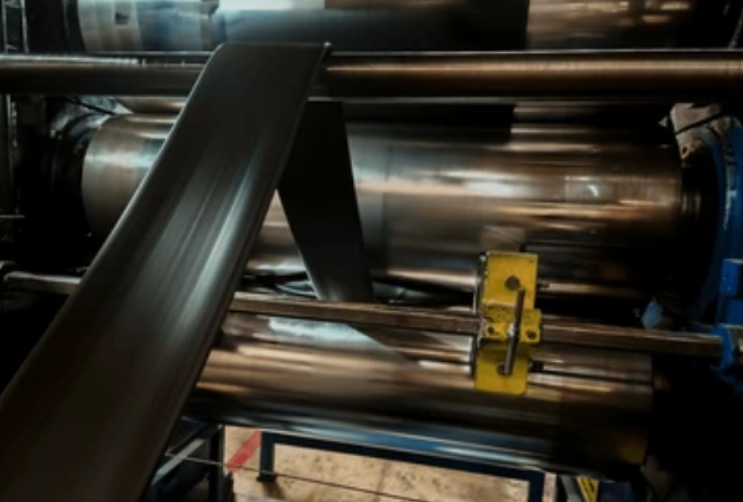
Why Rubber Compound Selection Matters
In industrial environments, rubber products are often exposed to extreme conditions such as high temperatures, harsh chemicals, abrasive materials, and continuous pressure. Selecting the wrong rubber compound can lead to premature wear, cracking, swelling, or complete system failure.
Choosing the correct material is essential for ensuring long-term performance, reducing downtime, and improving safety. Whether the application involves hoses, seals, gaskets, linings, or expansion joints, the rubber compound used plays a major role in durability and efficiency.
Key Elements of Rubber Compound Performance
1. Chemical Resistance
Different rubber compounds react differently to chemicals, oils, acids, and solvents. If the rubber is not compatible with the medium being transported, it may degrade, soften, or swell, resulting in leaks or mechanical failure.
2. Temperature Tolerance
Some rubber compounds perform well in high-heat environments, while others are better suited for cold temperatures. Temperature fluctuations can cause hardening, cracking, or loss of flexibility if the wrong compound is chosen.
3. Abrasion and Wear Resistance
In applications involving slurry, sand, or abrasive materials, rubber must be engineered to resist erosion and surface wear. Abrasion resistance is a key factor in industries like mining and material handling.
4. Flexibility and Compression Strength
Rubber components such as seals and gaskets require the correct balance between flexibility and compression strength. Too soft and the material may deform, too hard and it may fail to seal properly.
Common Rubber Compounds and Their Applications
EPDM (Ethylene Propylene Diene Monomer)
EPDM is widely used in applications requiring resistance to heat, ozone, UV exposure, and weathering. It is commonly found in outdoor industrial applications and water systems.
Best for:
- Water and steam applications
- Outdoor sealing solutions
- Weather-resistant industrial components
NBR (Nitrile Rubber)
NBR is known for its excellent resistance to oils, fuels, and hydraulic fluids. It is commonly used in machinery, hydraulic systems, and industrial hose applications.
Best for:
- Oil and fuel transfer
- Hydraulic systems
- Industrial seals and gaskets
Neoprene
Neoprene offers a balanced performance across chemical resistance, flexibility, and weather resistance. It performs well in general industrial applications where exposure is moderate but durability is still required.
Best for:
- Industrial hoses
- General sealing and vibration isolation
- Mild chemical environments
Silicone Rubber
Silicone is ideal for extreme temperature environments and is often used in specialised industries requiring heat stability and cleanliness. It is also commonly used where flexibility must remain consistent across temperature ranges.
Best for:
- High-temperature environments
- Food-grade and hygienic applications
- Electrical insulation systems
How to Choose the Correct Rubber Compound
- Identify the Operating Medium: Determine whether the rubber will come into contact with oils, chemicals, steam, water, or abrasive materials.
- Confirm Temperature Range: Ensure the compound is suitable for both maximum and minimum operating temperatures.
- Consider Pressure and Movement: Applications involving vibration or constant movement require materials with strong flexibility and fatigue resistance.
- Evaluate Environmental Exposure: Outdoor systems require UV and ozone resistance, while indoor systems may prioritise oil resistance.
- Work with a Specialist Manufacturer: Custom compounds and engineered rubber products can improve system performance significantly.
L-Flex: Engineering Rubber Solutions for Every Industry
At L-Flex, we understand that no two industrial environments are the same. That is why we supply and manufacture rubber products using compounds designed for specific operational requirements. Whether you need rubber solutions for high-pressure systems, corrosive chemical environments, or abrasive slurry handling, our team can assist with selecting the ideal compound for your application.
“The right rubber compound is not just a material choice, it is a performance decision.”