
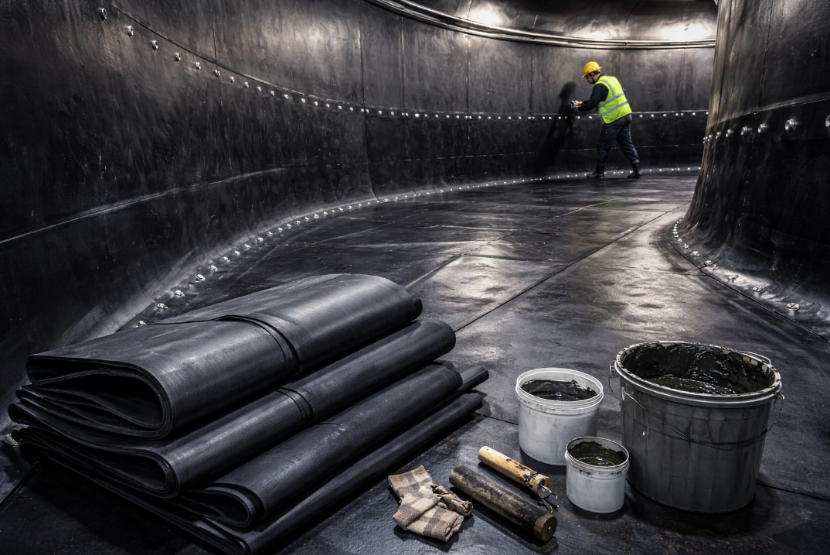
Why Corrosion Protection Matters in Industrial Systems
Industrial equipment is often exposed to aggressive environments involving chemicals, moisture, and high temperatures. Over time, these conditions can lead to corrosion, weakening metal surfaces and causing structural damage. If left unaddressed, corrosion can result in equipment failure, costly repairs, and operational downtime.
Rubber lining provides an effective solution by creating a protective barrier between the equipment and its operating environment. This helps preserve structural integrity and ensures long-term performance in demanding applications.
Key Elements of Effective Rubber Lining
1. Chemical Resistance
Rubber lining is designed to resist exposure to acids, alkalis, and other corrosive substances. Selecting the right compound ensures long-term protection against chemical degradation.
2. Abrasion Protection
In addition to corrosion resistance, rubber lining protects surfaces from wear caused by abrasive materials such as slurry, sand, and particulates.
3. Strong Adhesion
Proper surface preparation and application techniques ensure that the rubber lining bonds securely to metal surfaces, preventing peeling or separation during operation.
4. Flexibility and Impact Resistance
Rubber lining absorbs impact and vibration, reducing the risk of cracking or damage compared to rigid protective coatings.
Common Applications Across Industries
Mining and Mineral Processing
Rubber lining is used in tanks, chutes, and pipelines to protect against abrasion and corrosion caused by slurry and mineral transport.
Chemical Processing
Equipment exposed to corrosive chemicals benefits from rubber lining that prevents direct contact with metal surfaces.
Water and Wastewater Treatment
Rubber-lined tanks and pipes resist corrosion from treated and untreated water, extending equipment lifespan.
Power Generation
Cooling systems and process equipment use rubber lining to manage exposure to heat and corrosive substances.
How to Select and Maintain Rubber Lining
- Identify Chemical Exposure: Determine the types of chemicals or substances the lining will encounter.
- Choose the Correct Rubber Compound: Match the material to temperature, pressure, and chemical conditions.
- Ensure Proper Installation: Surface preparation and professional application are critical for long-term performance.
- Inspect Regularly: Look for signs of wear, blistering, or separation to address issues early.
- Schedule Maintenance: Preventative maintenance helps extend the lifespan of both the lining and the equipment.
L-Flex: Specialists in Rubber Lining Solutions
At L-Flex, we provide custom rubber lining solutions designed to protect industrial equipment in even the most demanding environments. Our expertise ensures that each lining is tailored to the specific conditions of your application, delivering reliable corrosion protection and long-term durability.
“Protect your investment with rubber lining solutions engineered for performance and longevity.”